English
 Français
 Español
 Deutsch
 Português
 عربى








What PU Coated Gloves Are
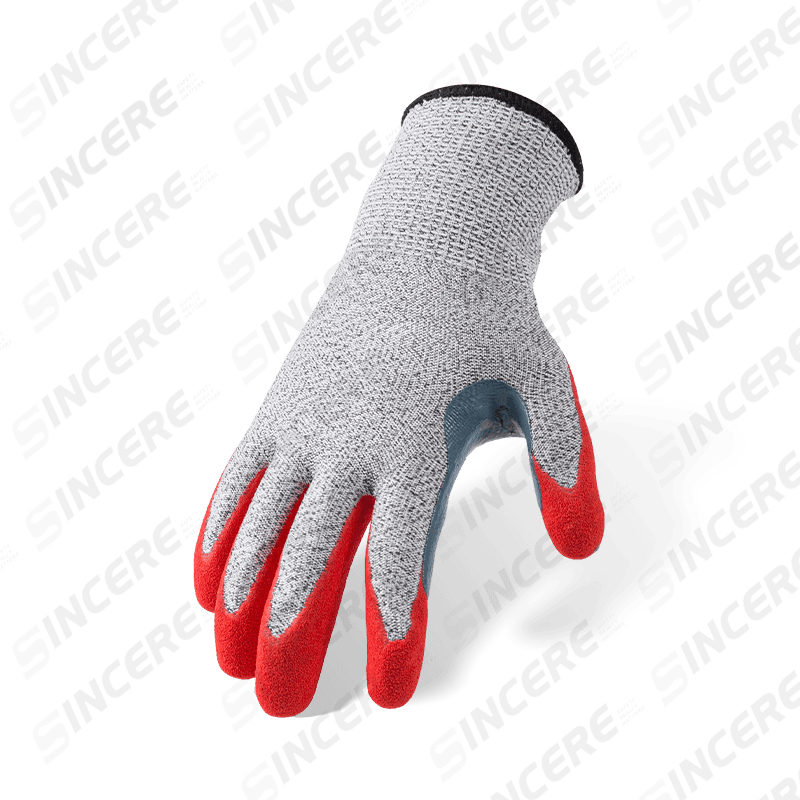
PU coated gloves are work gloves made by dipping a knitted fabric liner in a polyurethane (PU) solution so that the coating bonds to the palm, fingers or the entire hand. The result is a thin, flexible, abrasion-resistant layer that sits on a breathable knitted base. Because the coating is so light, the glove feels almost like a second skin, which allows workers to handle small parts, tools and screens with precision.
They have become a standard choice in assembly lines, electronics, light logistics, automotive workshops, warehouses, gardening, painting and general maintenance. Their appeal comes from a combination of qualities that few other glove types match at the same price:
- High dexterity. Thin coatings and fine-gauge liners let wearers pick up screws, wires and small components without removing the glove.
- Good dry grip. The smooth, slightly tacky PU surface grips dry and lightly oily objects securely.
- Breathability. Only part of the glove is coated, so the back of the hand stays ventilated and hands stay cooler through a long shift.
- Abrasion resistance. PU is a durable polymer that holds up against repeated rubbing on cardboard, metal and plastic.
- Low linting and clean handling. Properly made PU coated gloves shed very few fibers, which is important in electronics and cleanroom-adjacent work.
- Lightweight comfort. Weight is often between 10 and 25 grams per glove, reducing hand fatigue over a full day.
No glove is perfect for every task, though. PU coatings are not designed for heavy chemical exposure or sustained contact with oil, and they offer limited thermal and puncture protection unless the liner is specially engineered. Understanding what the glove is built from is the first step toward choosing well, so the next section looks at construction.
How PU Coated Gloves Are Made
The manufacturing process explains many of the differences you see between a low-cost glove and a premium one. Although variations exist, the basic sequence is consistent across the industry.
Step 1: Knitting the Liner
The liner is knitted on a seamless glove-knitting machine. Because it is knitted into the shape of a hand in a single piece, there are no stitched seams inside to irritate the skin. The machine's needle fineness determines the gauge, and the yarn determines the feel, strength and special properties such as cut resistance or antistatic behavior.
Step 2: Fitting onto Hand Formers
Each liner is pulled onto a ceramic or aluminum hand-shaped former. The former holds the glove in a natural, slightly curved position and keeps the fabric under uniform tension so the coating spreads evenly.
Step 3: Dipping in the PU Solution
The gloves are dipped into a PU bath, normally to the base of the fingers for a palm coating, to the fingertips for a fingertip coating, or deeper for a full or three-quarter coating. The viscosity of the solution, the dwell time and the speed of withdrawal all influence coating thickness and how far the PU penetrates the liner. Controlled penetration matters: if the PU soaks through to the inside, the glove feels stiff and hot; if it barely bonds, the coating can peel.
Step 4: Coagulation and Washing
In the classic solvent-based process, the coated gloves pass through a water bath in which the PU coagulates into a microporous structure. This structure, filled with tiny air channels, gives the coating flexibility and some breathability. Washing removes residual solvents and chemicals, which is critical for skin safety and regulatory compliance.
Step 5: Drying, Finishing and Inspection
The gloves are dried in ovens, stripped from the formers, inspected, paired, sized and packaged. Reputable factories test samples against standards such as EN 388 for mechanical performance and may check seam strength, dimensions and chemical content.
Why this matters when you buy
Two gloves can look identical on a product page and perform very differently. Liner quality, coating consistency and wash-off of residual chemicals are the hidden factors. Ask your supplier about the process and request test reports rather than relying on appearance alone.
The Main Types of PU Coated Gloves
PU coated gloves are classified mainly by how much of the glove is coated, and by any special function added to the liner or coating. The following types cover almost every product in the market.
Palm-Coated Gloves
The coating covers the palm and the inner surface of the fingers, ending at the base of the fingers or slightly beyond. This is the most common and most versatile design. It gives strong grip where it matters while leaving the back of the hand breathable. For general assembly, packing and inspection work, a palm-coated glove is usually the first choice.
Fingertip-Coated Gloves
Only the fingertips and the upper part of the fingers are coated. These gloves maximize breathability and dexterity and are favored for very fine tasks such as handling circuit boards, small optical parts or jewelry. The trade-off is less protection on the palm, so they suit light-duty or precision-focused work rather than rough handling.
Full-Coated and Three-Quarter-Coated Gloves
Here the PU covers the entire glove or most of the back of the hand as well. This construction reduces liquid penetration and gives the liner extra protection from dirt and abrasion. It is useful where the back of the hand may contact oils, dust or splashes, but it sacrifices some breathability and can feel warmer.
Cut-Resistant PU Coated Gloves
These gloves combine a PU coating with a liner that includes high-performance fibers such as HPPE (high-performance polyethylene), glass fiber or steel wire. They provide cut protection at levels ranging from low to high, depending on the yarn mix and the test standard. They are common in glass handling, sheet metal work, packaging with sharp blades and automotive parts handling. Remember that PU coating itself does not stop cuts; the liner does the work.
ESD (Antistatic) PU Coated Gloves
Electronics assembly requires control of electrostatic discharge. ESD PU gloves use liners with conductive carbon or metallic fibers woven in a regular stripe or grid pattern. They allow static to dissipate safely rather than building up on the wearer and damaging sensitive components. They are usually black, gray or white with visible conductive lines and are tested to relevant ESD standards.
Touchscreen-Compatible Gloves
Workers increasingly use tablets, handheld scanners and touchscreens. Touch-compatible PU gloves use conductive yarns in the thumb and index fingertips so the screen responds without removing the glove. They are popular in logistics, retail and field service work.
Dotted and Textured Gloves
Some palm-coated gloves add PVC dots, nitrile dots or textured patterns on top of the PU for extra grip on heavier or smoother objects. They are typically used in gardening, packing and general handling when a bit more traction is needed.
Winter and Lined Gloves
Brushed acrylic or terry liners add thermal insulation under a PU coating, giving a warmer glove for cold storage and outdoor winter work. They are thicker and slightly less dexterous than standard gloves but remain far more nimble than traditional insulated gloves.
| Type | Coverage | Best for | Main limitation |
|---|---|---|---|
| Palm-coated | Palm and finger undersides | General assembly, packing, maintenance | Back of hand unprotected from splashes |
| Fingertip-coated | Fingertips only | Precision and electronics work | Limited palm protection |
| Full-coated | Entire glove | Dusty or lightly wet environments | Less breathable |
| Cut-resistant | Palm with HPPE or glass liner | Sharp-edged material handling | Higher cost, slightly stiffer |
| ESD | Palm with conductive liner | Electronics assembly | Needs correct standards and testing |
Liner Materials Explained
The liner determines comfort, strength, fit and special properties. The coating gets the attention, but the liner carries most of the glove's performance, so it deserves careful consideration.
Nylon
Nylon is the most common liner for PU coated gloves. It is smooth, strong, lightweight and holds the coating well. Nylon liners are available in very fine gauges, which makes them ideal for precision work. They are also easy to dye in many colors, which helps with color-coding in factories.
Polyester
Polyester liners are durable, resist stretching and shrinking, and dry quickly. They often cost slightly less than nylon and are used widely in general-purpose gloves. Polyester has good color stability, and a high-quality polyester liner can feel almost as soft as nylon.
Cotton and Cotton Blends
Cotton liners feel soft and absorb perspiration, which many workers find more comfortable for long wear, especially in warm conditions. However, cotton is less strong and tends to absorb moisture and coating solvents unevenly. Blended liners, such as polyester-cotton, try to combine comfort and strength.
Bamboo Fiber
Bamboo-based liners are marketed for softness, moisture management and a cooler feel. They suit workers who sweat heavily or have sensitive skin. Check the exact blend, because performance depends heavily on how much true bamboo viscose is present and how it is combined with other fibers.
HPPE, Glass Fiber and Steel Blends
For cut resistance, yarns are made by combining HPPE with glass fiber, steel wire, nylon or polyester. Higher fiber content generally increases cut resistance, but also cost and sometimes stiffness. Glass fiber can irritate sensitive skin in poorly designed gloves, so liners often wrap it in a softer yarn.
Spandex (Elastane) Blends
A small amount of spandex helps the glove stretch and return to shape. This improves fit, reduces wrinkles in the palm and increases comfort during repeated gripping. Many premium gloves include 5 to 15 percent spandex in the liner.
Seamless Construction
Whichever material is used, seamless knitting is strongly preferred. A seamless liner removes bulky seams that rub the skin and can wear through, and it makes the glove feel smoother and more natural on the hand.
Gauge, Thickness and Dexterity
Gauge describes how many knitting needles are used per inch of the machine's needle bed. A higher gauge number means finer needles, a tighter and thinner knit, and a more sensitive, form-fitting glove. A lower number means thicker yarns and a sturdier, warmer glove.
| Gauge | Typical feel | Common uses |
|---|---|---|
| 7 and 10 gauge | Thick, sturdy, warmer | Heavy handling, construction, winter work |
| 13 gauge | Balanced, medium-thin | General assembly, logistics, maintenance |
| 15 gauge | Thin, very sensitive | Light assembly, electronics, inspection |
| 18 gauge | Ultra-thin, skin-like | Precision work, fine parts, jewelry |
The 13-gauge glove is the most popular compromise, giving strong feel and decent durability. Moving up to 15 or 18 gauge improves tactile sensitivity but reduces how much abuse the glove can take. Moving down to 10 or 7 gauge increases toughness and warmth but adds bulk. Choose the finest gauge your task can safely accept, because the more natural the hand movement, the less fatigue and the fewer errors you will see.
Coating thickness interacts with gauge. A thin PU layer on a fine-gauge liner gives maximum dexterity. A thicker PU layer on a heavier liner gives longer wear and more abrasion resistance, but a stiffer feel. A good manufacturer balances the two instead of simply adding more polymer.
The PU Coating: Quality and Chemistry
Polyurethane is a family of polymers rather than a single material, so not all PU coatings behave the same way. Understanding a few key points helps you judge quality.
Solvent-Based PU
The traditional PU system uses organic solvents, commonly DMF (dimethylformamide), to dissolve the polymer. It produces the familiar soft, microporous coating with good flexibility and breathability. The concern is residual solvent: if the gloves are not washed and dried thoroughly, trace DMF can remain, which is a regulatory and health issue. In many markets, the allowable DMF content in consumer-contact products is tightly restricted under chemical regulations.
Water-Based PU
Water-based PU disperses the polymer in water and avoids DMF entirely. It is more environmentally friendly and suitable for brands with strict chemical compliance requirements. Early water-based systems were less flexible and less durable than solvent-based ones, but modern formulations have narrowed the gap considerably. For buyers who sell into markets with tight chemical controls, DMF-free gloves are an increasingly important category.
Microporous Versus Smooth Finish
A microporous coating has a slightly matte, soft surface with tiny pores that give better breathability and a bit more grip on oily surfaces. A smooth, dense coating looks glossy and resists penetration better but breathes less. Choose based on whether comfort or barrier protection matters more for your application.
Coating Thickness and Adhesion
Thickness is usually controlled to produce a thin, even film. What matters in practice is adhesion: the coating must bond firmly to the liner so it does not peel or crack at flex points, such as the creases at the base of the fingers. A common field test is to flex the glove repeatedly and look for cracking or flaking.
Color of the Coating
Gray, black, white and blue coatings are the most common. Dark coatings hide dirt and stains, which keeps gloves looking presentable during dirty work. White or light coatings show contamination quickly, which is useful in clean assembly where visible dirt is a quality warning. Many factories use color to identify glove size, department or task.
PU Versus Nitrile, Latex and PVC
PU is only one of several coatings. Choosing it makes sense only when its strengths align with your work, so a direct comparison helps.
| Property | PU | Nitrile | Natural latex | PVC |
|---|---|---|---|---|
| Dexterity | Excellent | Good | Good | Fair |
| Dry grip | Very good | Good | Very good | Fair |
| Oily grip | Fair | Excellent | Fair | Good |
| Abrasion resistance | Very good | Very good | Good | Fair |
| Breathability | Very good | Moderate | Moderate | Low |
| Chemical resistance | Low | Good | Moderate | Good |
| Allergy concern | Low | Low | Possible | Low |
The pattern is clear. Choose PU when your top priorities are dexterity, a clean feel and dry or lightly oily handling. Choose nitrile when oil, grease or mild chemicals are involved. Choose latex for grip and flexibility in wet conditions only if allergies are not a concern. Choose PVC for economical protection against some liquids, accepting lower comfort. For many facilities, the best answer is to use PU gloves for most tasks and keep nitrile gloves for oily stations.
Safety Standards and Ratings
Standards turn marketing claims into measurable results. Looking for them on the packaging and in the technical data sheet is one of the most reliable ways to avoid weak products.
EN 388: Mechanical Risks
EN 388 is the European standard for protective gloves against mechanical hazards, widely used worldwide. Its current edition, EN 388:2016+A1:2018, produces a code of letters and numbers shown under a hammer pictogram. The code reports:
- Abrasion resistance, rated from 0 to 4, measured by the number of rubbing cycles before the glove wears through.
- Blade cut resistance (coup test), rated from 0 to 5.
- Tear resistance, rated from 0 to 4.
- Puncture resistance, rated from 0 to 4.
- Cut resistance under ISO 13997, rated from A to F, used for materials that dull the coup test blade.
- Impact protection, marked with the letter P when the glove passes.
A typical PU coated glove might show a code like 4131X, meaning strong abrasion resistance, low cut resistance, moderate tear resistance, low puncture resistance and no impact rating. Cut-resistant versions might show cut levels such as C or higher under the ISO method.
ANSI/ISEA 105: North American Ratings
In the United States, ANSI/ISEA 105 rates cut resistance from A1 to A9 and also classifies puncture and abrasion performance. A PU coated glove with an HPPE liner might be rated A2 or A3 for general handling, while higher levels are reserved for gloves intended for sharp metal or glass work. Always compare ratings from the same system, since EN 388 and ANSI scales are not interchangeable.
EN ISO 21420 (formerly EN 420): General Requirements
This standard covers general glove requirements including sizing, dexterity, innocuousness, labeling and instructions. It matters because a glove can pass mechanical tests and still fail on sizing or chemical safety.
ESD Standards
Antistatic gloves are commonly tested to IEC 61340-5-1 or EN 16350 for electrostatic properties. If you work in electronics, ask for surface resistance data, not just the claim that the glove is ESD safe.
Chemical and Skin Safety
Look for OEKO-TEX Standard 100 certification, compliance with REACH, and declarations about DMF and other restricted substances. For gloves that touch food, check for food-contact compliance, since a standard work glove may not be approved for it.
A practical rule
Do not accept a glove marked only as "cut resistant" with no standard and level. A rating such as EN 388 level C or ANSI A3 tells you exactly what the glove was tested to do, and allows you to compare products fairly.
Key Selection Criteria
With the product landscape mapped out, you can now build a decision process. The following criteria should be considered together rather than one at a time.
Task and hazard
Define the real risks first: abrasion, cuts, oil, heat, static or only light handling.
Dexterity needs
Choose the finest gauge the job allows, since sensitivity reduces fatigue and mistakes.
Environment
Consider temperature, dryness, oil exposure and the cleanliness your process requires.
Compliance
Verify standards, chemical declarations and test reports before approving any supplier.
1. Identify the Real Hazard
Start by observing the task. What does the worker touch, how often, and what could injure them? Many companies over-specify protection, buying cut level 5 gloves for tasks where abrasion is the only risk, which increases cost and reduces comfort. Others under-specify, using basic gloves around sharp edges. A short risk assessment, ideally with worker feedback, produces better results than guessing.
2. Match the Coverage to the Task
Use palm coating for general handling, fingertip coating for precision tasks, and full coating where the back of the hand faces dust or splashes. Remember that more coverage brings more protection but less ventilation.
3. Choose the Right Liner and Gauge
Select nylon or polyester for strength and price, bamboo or cotton blends for softness, and HPPE or glass blends for cut resistance. Then choose a gauge that fits the dexterity requirement. For most mixed-use work, a 13-gauge liner is a safe starting point.
4. Consider Grip Conditions
PU grips dry parts well, but it does less well on heavily oiled surfaces. If your workers handle lubricated metal parts, test a nitrile-coated glove or a PU glove with a textured or dotted pattern. Run a side-by-side trial in real conditions, not just in the office.
5. Check Comfort and Fit
Comfort determines whether gloves are worn consistently. Look for a snug fit without tight spots, a knit cuff that holds in place without cutting circulation, and a liner that feels pleasant against skin. A glove that is too loose reduces control and can snag; one that is too tight causes fatigue and wears out quickly.
6. Verify Standards and Documentation
Ask for EN 388 or ANSI results, EN ISO 21420 conformity, chemical declarations and, for specialist gloves, ESD or food-contact certification. Keep these documents on file for audits.
7. Evaluate Durability and Cost per Use
The cheapest glove per pair is not always the cheapest per shift. Calculate the cost over the glove's service life. A glove that costs 30 percent more but lasts twice as long, and reduces replacement downtime, is the better value. Track actual wear through a pilot program to get real numbers.
8. Think About Sustainability
Many buyers now prefer DMF-free, water-based PU, recycled polyester liners and packaging with less plastic. These options can support company sustainability goals and meet stricter retailer requirements, often with only a small cost difference.
9. Plan for Color and Identification
Color coding by size, task or department reduces mistakes and helps supervisors check compliance at a glance. Reflective or high-visibility trims can be useful in logistics and outdoor work.
Applications by Industry
Understanding how PU coated gloves are used in practice helps connect the technical features to everyday needs.
Electronics and Precision Assembly
Fine-gauge nylon liners with thin PU coatings protect delicate parts from skin oils and fingerprints while preserving a sensitive feel. ESD versions prevent static damage. Low linting and clean packaging are priorities here.
Automotive and Mechanical Assembly
Workers handle metal parts that may have sharp edges and light oil. Medium-gauge PU gloves, often with cut-resistant liners, protect against abrasions and minor cuts while preserving the ability to pick up small fasteners.
Warehousing and Logistics
Packing, sorting and picking involve cardboard, plastic wrap and metal strapping. Palm-coated gloves with touchscreen-compatible fingertips allow workers to use scanners without removing them, improving speed and safety.
Construction and General Maintenance
Thicker liners, nitrile or PU over nitrile combinations and higher abrasion ratings handle the rougher demands of building sites, though workers handling heavy loads or sharp tools may need higher-protection gloves.
Gardening and Light Outdoor Work
Breathable, flexible gloves protect hands from thorns, dirt and abrasion while retaining enough sensitivity to handle seedlings and tools. Bright colors and patterned backs are popular in retail markets.
Painting, Decorating and Cleaning
Light PU coated gloves protect against minor scuffs and keep hands clean. For solvent-heavy tasks, switch to chemically resistant gloves, because PU offers limited chemical protection.
Food Packaging and Light Processing
Where certified for food contact, PU coated gloves offer a clean and lint-free option for handling packaged goods. Always confirm compliance with local food-safety regulations before use.
Sizing, Care and Replacement
Choosing the Right Size
Glove sizes follow the EN ISO 21420 system, from 6 (extra small) to 11 (extra large) and sometimes beyond. A proper fit has the fingertips close to the end of the glove without extra fabric, and the palm should not bunch when you make a fist. Measure around the palm, just below the knuckles, and compare it to the supplier's size chart. If the measurement falls between sizes, size up for comfort when the glove will be worn for hours, and size down only for precision tasks.
Cleaning and Washing
Many PU coated gloves can be hand-washed in lukewarm water with mild detergent. Avoid hot water, bleach, strong solvents and tumble drying, which can degrade the coating. Rinse thoroughly and air-dry flat, away from direct heat. Washing extends life in dusty environments but can reduce the performance of specialist gloves such as ESD or cut-resistant versions, so check the manufacturer's instructions.
When to Replace Gloves
Replace gloves immediately if the coating is cracked, peeling or worn through, if the liner has holes, if the glove has been contaminated with chemicals it is not rated for, or if grip is visibly reduced. Do not wait for complete failure, since a worn glove gives a false sense of safety.
Storage
Store gloves in a cool, dry place away from direct sunlight, ozone sources and heat. Good storage preserves coating quality and avoids stiffening, so keep unopened packs in their original cartons until needed.
Notes for Buyers and Distributors
For purchasing teams, importers and brand owners, glove selection is also a sourcing decision. The following points help reduce risk when ordering in volume.
Ask for Samples and Run a Trial
Never approve a glove from a datasheet alone. Request samples in multiple sizes, give them to workers in real conditions for at least a week, and collect feedback on fit, grip, comfort and durability.
Request Test Reports and Certificates
Ask for current test reports from accredited labs covering EN 388 or ANSI performance, chemical content and any other relevant standard. Check that the report matches the exact model being supplied, including the liner and coating, since small changes can alter results.
Understand Customization Options
Many manufacturers offer custom liner colors, coating colors, logos, packaging and size ranges. Private-label programs can build brand recognition but usually come with minimum order quantities. Confirm the cost of artwork, molds or screens before committing.
Inspect Consistency
Quality problems often appear in volume production rather than in samples. Define acceptance criteria for coating coverage, stitching or knit defects, dimensions and packaging, and inspect incoming shipments against them. A consistent supplier is worth more than a slightly cheaper one that varies from batch to batch.
Plan Packaging and Logistics
Gloves are light but bulky. Confirm carton sizes, pairing method, labeling language and barcode requirements for your market. Clear labeling of size, standard and pictograms avoids customs and retail compliance delays.
Think Long Term
Build relationships with a small number of qualified suppliers, and review performance regularly. Track defects, returns and worker feedback, so that future orders improve instead of repeating past problems.
Frequently Asked Questions
Are PU coated gloves waterproof?
No. PU coating resists light moisture on the coated area, but the knitted liner and uncoated areas absorb water. For wet work, choose fully coated nitrile or latex gloves, or gloves with a waterproof membrane.
Are PU coated gloves cut resistant?
Standard PU coated gloves offer only low cut resistance. Cut protection comes from the liner, so choose a model with an HPPE or glass fiber liner and a verified EN 388 or ANSI cut rating.
What is the difference between PU and nitrile coated gloves?
PU gloves are thinner, more breathable and more sensitive, making them ideal for precise dry work. Nitrile gloves are more resistant to oil and certain chemicals and often last longer in greasy environments, but they feel thicker and warmer.
Which gauge should I choose?
Thirteen gauge is the best general-purpose choice. Use 15 or 18 gauge for very fine work, and 10 or 7 gauge for heavier, tougher applications or cold conditions.
Can PU coated gloves be washed?
Most can be washed gently in lukewarm water with mild detergent and air-dried. Avoid heat and harsh chemicals. Check the care label, especially for ESD and cut-resistant gloves.
Are PU coated gloves safe for people with latex allergies?
PU coated gloves contain no natural rubber latex, which makes them a common alternative for people with latex allergies. Always confirm the product specification, since some gloves combine materials.
How long do PU coated gloves last?
Service life depends on the task, from a few days in abrasive work to several weeks in light assembly. Inspect gloves regularly and replace them when the coating wears or grip declines.
What does DMF-free mean?
DMF-free gloves use a PU system that does not rely on dimethylformamide as a solvent. They are easier to certify in markets with strict chemical controls and are often water-based.